Setting up a reliable local area network comes down to the physical links you choose. When professionals wire up corporate server racks or connect office workstations, they often reach for a C2G Cat6 network patch cable.
Manufactured by Cables To Go under the Legrand AV umbrella, these pre-terminated Ethernet cords connect switches, routers, computers, and specialized audiovisual hardware.
Searching for this product does not lead to just one universal item. C2G builds a wide variety of Cat6 patch options that differ by length, unshielded or shielded construction, boot style, jacket rating, and color.
When planning a clean cable layout for a dense server rack or a desktop drop, looking over specific inventory options early through the C2G Connectivity Portal helps match part numbers accurately. Knowing these differences helps you pick the right cable for your specific setup.
What Is a C2G Cat6 Network Patch Cable?
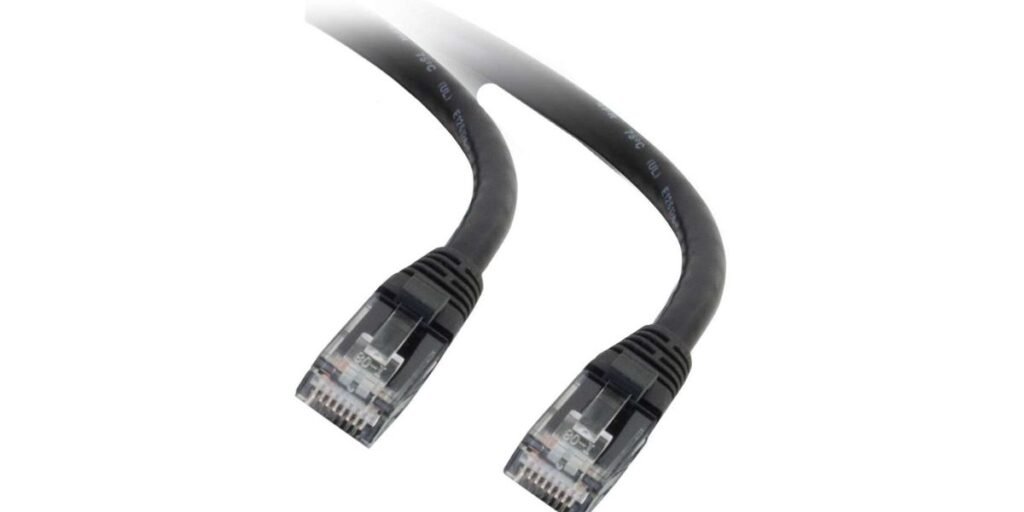
A C2G Cat6 patch cable is a factory-terminated and flexible Ethernet cord fitted with RJ45 male connectors on both ends. It bridges active network hardware like switches, patch panels, routers, network cards, and HDBaseT distribution boxes.
It helps to separate these patch cords from bulk or in-wall cable. Patch cables use stranded copper conductors so they can bend repeatedly inside server racks or behind desks. Bulk structured cabling uses solid copper conductors built for permanent runs inside walls or ceilings. C2G sells bulk Cat6 wire with building code ratings like CM, CMR, and CMP, which serve a completely different purpose than pre-terminated patch cords.
C2G Cat6 Cable Specifications
Because C2G builds Cat6 options for various commercial and residential jobs, the technical parameters shift across product lines. The general specifications for the standard C2G Cat6 patch family include:
- Category Standard: Cat6, while remaining backward compatible with Cat5e and Cat5
- Connector Type: RJ45 Male with gold-plated contacts, usually featuring 50-microinch plating
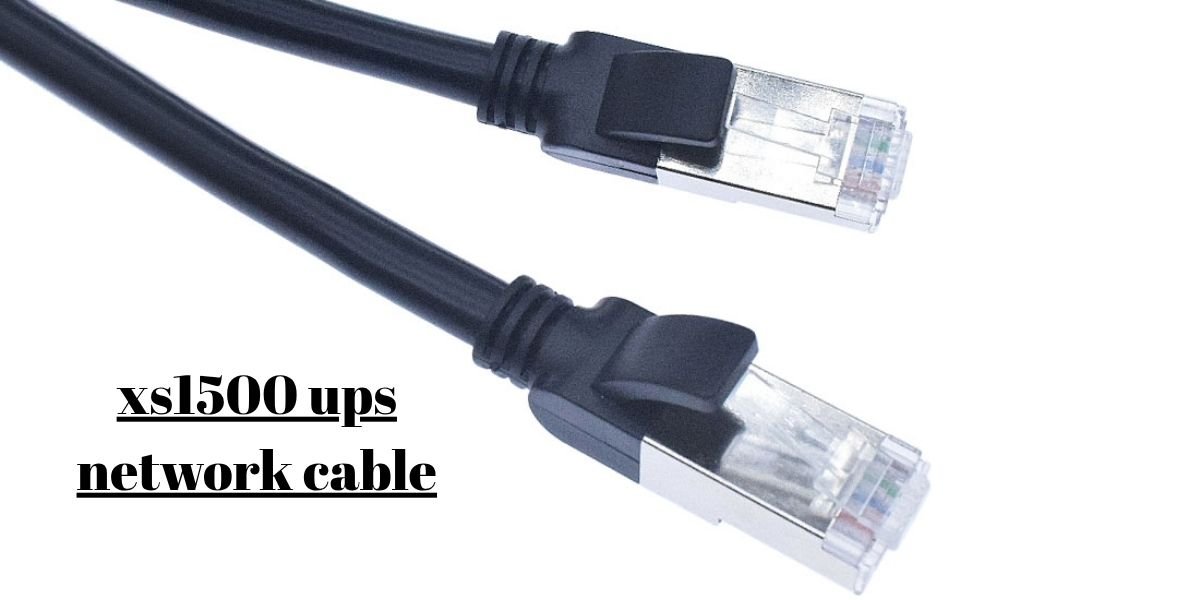
- Cable Construction: Available in Unshielded Twisted Pair or Shielded Twisted Pair designs
- Boot Configuration: Built with molded snagless boots or left unbooted depending on the model
- Conductor Material: Pure copper wiring that meets TAA compliance for institutional buying
- Frequency Bandwidth: Rated up to 250 MHz, which beats older Cat5e 100 MHz limits
- Industry Standards: Built to TIA/EIA-568-C.2 and RoHS environmental requirements
Cat6 Performance and Network Speed
Deploying Cat6 infrastructure is all about grabbing higher bandwidth and steady data throughput. Cat6 specifications support standard Gigabit Ethernet (1000BASE-T) across full 328-foot channel lengths.
On top of that, C2G Cat6 patch cables handle 10-Gigabit Ethernet (10GBase-T) speeds over shorter distances up to 180 feet, as long as bundle sizes, room temperature, and electrical noise are kept under control.
Cat6 beats older cable categories by using stricter twist geometries inside the copper pairs to cut down on signal loss. Keep in mind that the cable is just the pipeline. Your actual network speeds depend just as much on your switches, network cards, and optical transceivers.
Snagless, Shielded, and Unshielded C2G Versions
Choosing the right physical variant from C2G depends entirely on your rack layout and the building environment.
Snagless Construction
Many C2G patch cables feature a molded, snagless boot that covers the plastic locking tab on the RJ45 connector. During high-density rack installations or routine cable pulling, exposed tabs tend to catch on neighboring wires and snap right off. The streamlined boot prevents that physical damage while giving the cable extra strain relief right where it enters the plug.
Unshielded Versus Shielded Cat6
Standard office setups use Unshielded Twisted Pair cables, which rely on internal wire twists to cancel out normal electrical noise. But in places packed with heavy electrical interference or radio waves, like factory floors or rooms running alongside high-voltage lines, C2G offers Shielded Twisted Pair patch cords. These shielded versions use foil wraps and drain wires to keep data clean.
Non-Booted Cables
For tight patch panels or crowded switch fields where rubber boots add too much bulk, C2G makes non-booted patch cables. These models give you clear, easy access to individual connector latches in cramped spaces.
C2G Cat6 Cable Lengths and Physical Options
Choosing the right length keeps your cable management clean. Too much slack creates messy loops that block airflow, while cables that are too short stretch tight and strain the RJ45 pins.
C2G makes Cat6 patch cords in a broad mix of pre-cut lengths. You can find ultra-short 6-inch, 1-foot, and 3-foot jumpers for patch panels, alongside standard 7-foot, 10-foot, 15-foot, 25-foot, 50-foot, and 100-foot choices for desktop drops or remote connections.
These cables also come in a rainbow of jacket colors, including blue, gray, black, red, yellow, green, and white. That color variety lets technicians easily sort voice, data, security, and guest networks visually. When sourcing specific colorways for structured projects, reviewing authorized distributor stock via Legrand AV’s C2G Platform ensures you find exact matches.
Where C2G Cat6 Patch Cables Are Used
While basic office networking is the most common use case, C2G Cat6 patch cords show up across several specialized commercial spaces:
- Enterprise Server Racks: Tying top-of-rack switches straight into patch panels.
- Workstation Drops: Linking wall plates to desktop computers, IP desk phones, and wireless access points.
- AV-over-IP and Digital Signage: Connecting matrix switchers, HDBaseT extenders, and media encoders where uncompressed video demands high-bandwidth stability.
- Conference Room Systems: Plugging professional microphones, touch panels, and control processors into local network switches.
C2G Cat6 Patch Cable Versus Bulk Cat6 Cable
Mixing up a patch cable with bulk cable leads to code failures and installation headaches.
- Patch Cables: Factory-terminated, highly flexible, stranded-conductor cables made for connecting equipment to wall jacks or switches. They are not rated or built for permanent in-wall pulls.
- Bulk Cable: Sold in pull boxes or on wooden spools with solid copper conductors and tough outer jackets (CM, CMR riser, or CMP plenum) designed to pass strict municipal fire codes when run through walls, floors, and air plenums.
Choosing the Right C2G Cat6 Patch Cable
Picking the best cable configuration comes down to evaluating your physical workspace:
- For typical office or home setups, a standard C2G Cat6 UTP snagless patch cable gives you the best mix of performance and durability.
- For data centers with packed patch fields, grab slim or snagless variants to stop latches from snapping during maintenance.
- For electrically noisy industrial zones, step up to a C2G Shielded model to block packet drops caused by interference.
C2G Cat6 Patch Cable Versus Cat6a
Deciding whether to use standard Cat6 patch cables or upgrade to Cat6a depends on your speed goals and distance limits.
A standard C2G Cat6 patch cable runs at a bandwidth frequency of 250 MHz and supports 10-Gigabit speeds up to 180 feet. Cat6a doubles that ceiling to 500 MHz.
Cat6a is engineered to hold full 10-Gigabit speeds across a full 328-foot channel while fighting off alien crosstalk.
However, Cat6a cables use thicker jackets and stiffer copper conductors, making them harder to bend in tight rack spaces than standard Cat6. For typical office networks, high-definition streaming, and standard device links, Cat6 delivers plenty of performance without the stiff installation overhead of Cat6a.
Compatibility With Network Equipment
Plugging C2G Cat6 patch cords into an existing network is simple because of universal physical standards, but your hardware dictates your actual throughput.
These cables feature standard RJ45 male plugs built to connect with:
- Managed and unmanaged network switches
- Enterprise routers and network interface cards
- Patch panels and wall modules
- Wireless access points and IP security cameras
- HDBaseT extenders, matrix switchers, and AV gear
The old networking rule always applies: your channel is only as fast as its weakest link. Plugging a top-tier C2G Cat6 patch cord into an old Cat5e switch caps your link speed at the maximum capability of that older hardware.
What to Check Before Buying a C2G Cat6 Patch Cable
Before ordering pre-terminated patch cables for your next project, run through these quick technical checks to avoid ordering mistakes:
- Exact Part Number: Make sure the manufacturer SKU matches your required length and color.
- Physical Length: Measure the exact path between ports to avoid dangerous tension or excess slack.
- Shielding Needs: Figure out if you need unshielded or shielded wire based on local electrical noise.
- Boot Style: Pick snagless boots for high-density patch fields or unbooted ends for tight switch ports.
- Jacket Ratings: Check that the cable meets building fire codes if you are routing near specialized spaces.
C2G Cat6 Network Patch Cable Specifications by Model
To help pinpoint the right part for your job, this reference table highlights common configurations across the C2G Cat6 product family:
| C2G Model Part | Typical Length | Construction Type | Boot Style | Jacket Color | Primary Application |
| 00803 (Series) | 3 ft to 14 ft | Unshielded | Snagless | Gray / Blue | Standard Switch-to-Device Patching |
| CG15292 | 3 ft | Plenum-Rated UTP | Non-Booted | Black | Above-Ceiling Air Handling Spaces |
| C2G43751 | 2 ft | Shielded | Snagless | Red | High-EMI Environments / Server Racks |
| 02221 (Slim) | 1.5 ft | Slim 28 AWG UTP | Snagless | Green | High-Density Switch Racks / Airflow Management |