A silent logistical operation takes place across global infrastructure every day. Universities issue thousands of student credentials before the autumn intake. Healthcare facilities provision encrypted badges for clinical personnel. Corporate enterprises deploy access cards to secure physical and digital assets.
While the physical distribution of a plastic card seems straightforward, the underlying infrastructure relies on a sophisticated convergence of material science, identity management software, and physical security features.
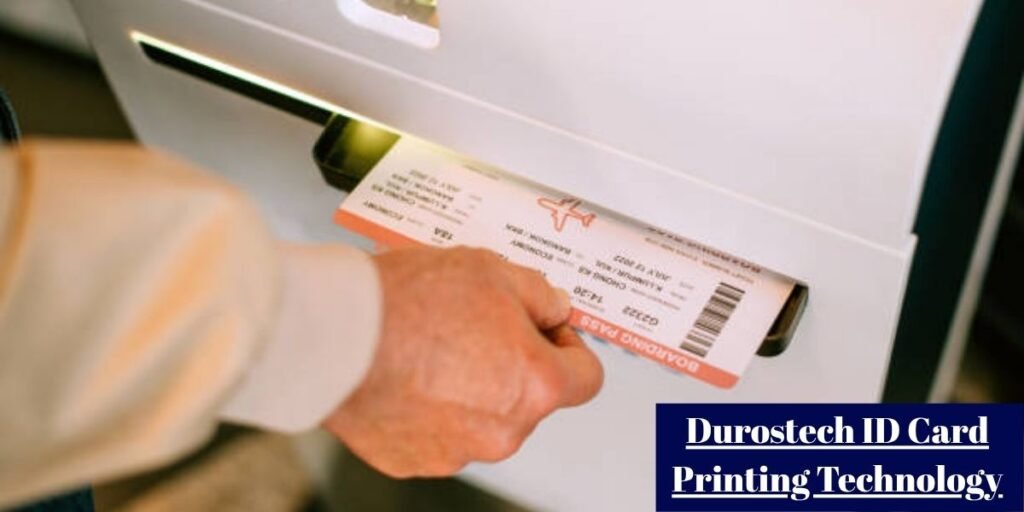
Recently, the phrase Durostech ID Card Printing Technology has surfaced in digital tech circles. To understand this term, one must separate proprietary hardware manufacturing from technical journalism.
Durostech: A Technology Publishing Platform
Durostech is an independent digital publishing platform dedicated to technical reporting, analysis, and educational content. It operates as a media site rather than an industrial manufacturer or hardware developer.
The publication covers critical sectors within the broader technology landscape, focusing on:
- Current breakthroughs in artificial intelligence and machine learning models
- Enterprise cybersecurity protocols and threat mitigation data
- Hardware architecture reviews and consumer software optimization
- Digital productivity frameworks and corporate technical workflows
- Emerging paradigms in enterprise gaming technology and virtualization
- Step-by-step technical guides designed for IT administrators and general readers
Market data confirms there are no registered patents, trademark filings, or supply chain records linking Durostech to the production of physical ID card printers, lamination consumables, or proprietary identity software.
Enterprise procurement officers looking for card printing infrastructure will find that references to this phrase originate from an explanatory guide hosted on the Durostech media site. It serves as an educational breakdown of industrial standards rather than a product release from a new hardware vendor.
Why “Durostech ID Card Printing Technology” Exists
The term exists online as the title of an educational deep-dive published by the platform to demystify how modern credential issuance works.
Instead of unveiling a proprietary printing method, the documentation analyzes the open standards, mechanical processes, and security protocols utilized by established global identity giants such as HID Global, Fargo, Zebra Technologies, and Evolis.
The core educational framework covers several industry-standard mechanisms:
- High-definition dye sublimation and thermal transfer processes
- Direct-to-card mechanical workflows versus reverse transfer technologies
- Integration of physical access control components including RFID and smart chips
- Implementation of visual security features like holographic laminates and ultraviolet inks
- Database synchronization with active enterprise directory systems
This means the phrase represents an informational resource. It acts as an analytical overview of a trillion-dollar identity industry, helping IT procurement teams understand the mechanics of secure badge generation.
What Professional ID Card Printing Really Involves
Deploying an enterprise-grade identification ecosystem requires a synchronized architecture combining three distinct technical pillars. Treating card production as a simple desktop printing task introduces severe security vulnerabilities and systemic hardware failures.
The initial phase relies entirely on secure data ingestion. Identity management software connects directly to centralized databases, such as Active Directory or LDAP protocols, to pull verified user records.
Once identity data is validated, the physical personalization phase begins using specialized printing machinery. This hardware must manipulate heat, pressure, and chemical ribbons to alter the surface of plastic substrates securely.
The final stage is credential verification. This step pairs the visual asset with digital security keys, embedding cryptographic data directly into the card architecture before it enters active circulation.
Printing Technologies Behind Modern Identification Cards
Selecting the correct mechanical printing process dictates both the operational lifespan of the credential and its resistance to physical tampering.
Direct-to-Card Printing
Direct-to-card, or DTC technology, represents the most common mechanical process found in standard corporate environments.
The printhead utilizes a precise thermal element to heat a localized ink ribbon. This heat vaporizes the solid dye on the ribbon, allowing it to penetrate the porous surface of a blank PVC card. This chemical process is known as dye sublimation.
- Operational Speed: High-volume throughput, often producing a single-sided full-color card in under 20 seconds.
- Cost Efficiency: Lowest per-card consumable cost, making it ideal for large-scale deployments like seasonal student orientations.
- Surface Constraints: Requires perfectly flat, unblemished PVC surfaces. Any minor surface deviation or embedded dust particle can damage the expensive thermal printhead.
- Visual Limits: Leaves a minute, unprinted white border around the perimeter of the card due to printhead edge constraints.
Retransfer Printing
Retransfer, or reverse transfer printing, is the preferred methodology for high-security environments, government facilities, and financial institutions issuing payment cards.
This two-stage process alters how the image meets the substrate. The printhead first prints a mirrored, high-resolution image onto a flexible, ultra-clear transfer film. A heated roller then bonds this targeted film layer directly to the face of the plastic card under intense pressure.
- Edge-to-Edge Coverage: Achieves true over-the-edge printing with no white borders, resulting in a cleaner, more professional appearance.
- Material Versatility: Compatible with composite materials like Polycarbonate, ABS, and PET, which outlast standard PVC cards by several years.
- Smart Card Protection: Safe for cards with embedded contact chips or internal RFID antennas. The printhead never makes direct contact with the card, preventing uneven surfaces from causing hardware damage.
- Tamper Evidence: Any attempt to alter the printed data tears the bonded film layer, immediately destroying the card’s structural integrity and exposing the fraud.
Security Is Built Into the Card
Modern identity tokens must withstand advanced counterfeiting techniques, including high-resolution digital scanning and color replication. True security requires a multi-layered approach combining visual, tactile, and digital defense mechanisms.
Visual authentication starts with custom holographic overlays. These specialized laminates are applied under high heat, embedding distinct optical variable devices into the card surface that shift in color and appearance when tilted under ambient light.
For covert validation, organizations deploy ultraviolet fluorescent inks. These elements remain invisible to the naked eye under standard office lighting but glow vividly when exposed to a specific 365nm UV light source during manual guard inspections.
Physical structural security is further enhanced through microtext printing. This process scales text down to microscopic dimensions along card borders. High-resolution commercial scanners cannot replicate these micro-fonts, causing them to blur into solid lines on counterfeit copiers.
Digital protection moves beyond the visual plane by embedding passive radio frequency identification chips and near-field communication components. These internal elements allow physical access control readers to authenticate the cardholder wirelessly via encrypted handshakes, without requiring physical contact.
The Software Behind Every Printed Credential
The physical printer is merely the execution mechanism; the true intelligence of an identity infrastructure lives within its software deployment. Modern card personalization software acts as the middleware bridge between corporate databases and physical hardware.
Advanced platforms handle complex encryption workflows, generating distinct cryptographic keys that are written to the card secure sectors during the physical printing cycle. This process happens simultaneously as the printhead applies the user image.
The system enforces strict role-based access control policies across the organization. When an HR manager updates an employee status to terminated within the central management console, the software immediately revokes the credential digital permissions across all physical entry points, rendering the physical card useless even if it remains intact.
Where Modern ID Card Systems Are Used
The deployment models for integrated card infrastructure vary significantly based on institutional goals and compliance mandates.
Educational ecosystems rely on multi-application credentials. A single card manages visual identity verification, automates classroom attendance logging via proximity sensors, handles cashless point-of-sale transactions at campus dining facilities, and controls access to high-security research laboratories.
In healthcare environments, the focus shifts toward compliance and strict sanitization. Hospitals utilize specialized composite cards that resist chemical degradation from daily medical-grade disinfectant wipes, while using embedded smart chips to log clinicians into electronic health record terminals securely.
Corporate real estate sectors deploy cards to manage complex visitor logging and zone-based facility access. Integrated systems track real-time occupancy counts within specific building wings, automatically restricting access if a particular sector reaches maximum capacity or faces a security lockdown.
Bottom Line
An objective analysis of current technical data indicates that Durostech ID Card Printing Technology is not an active commercial hardware product or proprietary printing methodology. It is an educational overview published by a technology media platform to explain how modern identity infrastructure functions.
Organizations seeking to deploy secure identity solutions should evaluate established hardware vendors while utilizing the Durostech documentation as a foundational primer on industrial printing methods. The modern credential remains a sophisticated convergence of hardware, software, and advanced materials designed to protect enterprise security boundaries.