
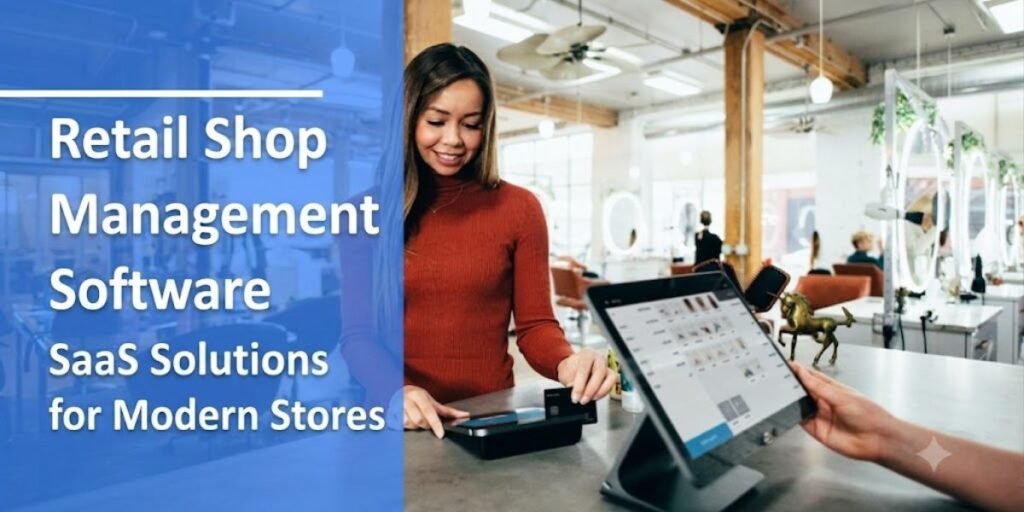
The global retail market is experiencing a significant operational overhaul. Storefront technology has transitioned from localized, reactive utilities into integrated, cloud-directed platforms. Modern retail commerce operates as a continuous logistics challenge where physical and digital boundaries have entirely dissolved.
Cloud-based solutions represent 74.3% of the global retail software landscape. This widespread migration from legacy, on-premise systems to subscription-driven platforms highlights the shifting industry baseline.
The primary operational failure in modern store management rarely stems from a scarcity of technology. Instead, it is driven by the systematic misalignment of software architecture with the actual friction points of the sales floor. Retailers frequently find themselves trapped in rigid software environments that look exceptional in controlled sales demonstrations but fail under the strain of real-world inventory velocity, shifting supply chains, and staff turnover.
Success requires analyzing the specific data loops, inventory management architectures, and deployment frameworks that define modern retail Software as a Service (SaaS) platforms.
What Retail Shop Management Software Actually Does Today
Contemporary retail management software serves as the centralized operational backbone of a physical store footprint. It has evolved from a transaction logger into a proactive operational control system that coordinates every moving variable across the enterprise in real time.
When an item is scanned at a checkout terminal, the system executes a sequence of real-time database modifications. The software immediately updates the central inventory ledger, recalculates localized safety stock thresholds, logs behavioral metadata into the customer relationship management database, and updates the store shift-performance analytics dashboard.
Unified data processing is vital for survival in a high-volume market. By consolidating previously isolated database applications into a single cloud-managed ledger, retail SaaS platforms provide operators with absolute visibility into true net margins, stock turn rates, and supply chain liabilities from any connected device.
Retail software has moved completely from record keeping to operational control systems.
Why SaaS Changed Retail Management Software
The transition from on-premise legacy systems to SaaS architecture fundamentally transformed the economics of store operations. Under the traditional desktop software model, running a multi-location retail business required maintaining dedicated in-store servers, purchasing expensive upfront corporate user licenses, and employing specialized IT personnel to manage manual database indexing and physical backups.
Whenever a critical security patch or software version upgrade was released, software deployment forced retailers to endure extensive operational downtime. This effectively halted sales across the entire store network. Furthermore, data synchronization between separate storefronts was frequently executed via delayed batch processing at the close of every business day, leaving managers blind to mid-day stock depletion and regional inventory imbalances.
Cloud deployment removes these systemic bottlenecks. By shifting the core compute infrastructure and database engines to secure, distributed data centers, SaaS platforms provide small independent boutiques and scaling corporate chains alike with enterprise-grade stability and instant data synchronization.
The clear strategic advantages of cloud-first retail deployments include:
- Unified Inventory Ledger Availability: Stock balances and customer profiles match perfectly across every physical terminal and ecommerce channel instantly.
- Radical Mitigation of Front-Loaded Capital Expenditures: Eliminating proprietary server hardware allows founders to redirect capital straight into high-margin inventory acquisition.
- Continuous Background Feature Deployment: Performance optimizations and security updates roll out server-side, removing maintenance windows.
- Decentralized Operational Oversight: Store managers can audit live supply chains and modify staff permissions right from the sales floor via secure mobile hardware.
Core Categories of Retail Shop Management SaaS Solutions
A foundational error made during the software acquisition process is treating the retail sector as a single monolithic entity. A highly specialized apparel boutique operates on completely different operational parameters than a multi-state grocery network or a rapidly scaling direct-to-consumer brand expanding into physical showrooms. Consequently, the global retail SaaS market has split into four distinct operational architectures.
1. POS-Centric Retail Systems
These platforms are engineered with a singular priority: maximizing transactional throughput at the front checkout counter. The technical core of a POS-centric system is optimized for sub-second barcode processing, instantaneous receipt generation, and rapid hardware communication with local payment processing terminals.
The software user interface is deliberately streamlined to reduce cashier cognitive load during high-traffic sales events, featuring large touch targets and quick-action keys for common items. To safeguard against the catastrophic revenue loss of an unexpected internet outage, these systems typically incorporate local offline database caching. This architecture allows cashiers to continue processing cash and card transactions uninterrupted, automatically syncing the data up to the cloud ledger once connectivity is fully restored.
2. Inventory-First Retail Platforms
When a retail operation manages thousands of distinct stock-keeping units, matrix product variants, or multiple regional warehouses, checkout throughput becomes secondary to robust stock control logistics. Inventory-first platforms are designed from the database layer upward to eliminate stock inaccuracies and automate complex supply chain workflows.
These systems provide sophisticated automated ordering engines that monitor product movement speeds and dynamically calculate precise reorder points. When a specific stock item drops past a pre-configured safety threshold, the software automatically drafts and transmits a standardized purchase order directly to the appropriate vendor network, eliminating human error from the replenishment cycle.
Furthermore, these platforms excel at managing complex product matrix structures, allowing store buyers to easily track and organize thousands of child SKUs differentiated by fine variations in size, color, material, and seasonal collection tags under a single parent product profile.
3. Omnichannel Retail SaaS Platforms
The modern retail landscape increasingly rejects the separation of physical and digital commerce channels. Omnichannel SaaS platforms are explicitly built to shatter the technical data silos that have historically split web-based ecommerce transactions from localized, brick-and-mortar store operations.
By maintaining a single, unified database engine for all customer touchpoints, these systems allow retailers to offer advanced, modern fulfillment workflows that consumers now take for granted. This includes Buy Online, Pick Up In-Store (BOPIS) protocols, which automatically route digital web orders to the physical store floor for immediate employee picking and staging.
Customer profile tracking is similarly consolidated; an individual shopper can create an account on a web browser, accumulate loyalty reward points through an automated email marketing campaign, and seamlessly redeem those exact points at a physical store register while a cashier reviews their unified, cross-channel purchase history.
4. Enterprise Retail Management Systems
Enterprise platforms function as comprehensive, full-stack retail operating systems designed to govern multi-region store networks, sprawling corporate franchises, and complex international commerce operations. These software environments connect retail frontends directly to core corporate general ledgers, global supply chains, and complex regional tax compliance matrices.
Built for heavy transaction velocity and strict corporate oversight, enterprise platforms incorporate advanced workforce management suites to monitor tiered employee access permissions across thousands of distinct users. They also deploy predictive business intelligence engines that analyze years of historical performance data to forecast upcoming supply chain constraints.
These platforms feature highly localized compliance configurations, allowing a multi-national retailer to seamlessly alter currency translations, regional sales tax calculations, and country-specific data privacy rules from a single centralized corporate dashboard.
Leading SaaS Retail Shop Management Software Platforms
Navigating the retail software marketplace requires a clinical analysis of how the industry’s dominant platforms execute operational tasks under real-world workflows.
1. Bitreport
Bitreport addresses the critical operational layer that pure transactional POS tools ignore: the daily execution of store standards, compliance checklists, and shift-to-shift accountability.
Key Features
- Mobile-first digital store compliance checklists.
- Visual merchandising tracking with photo verification tools.
- Automated corrective-action task assignment pipelines.
- Real-time multi-location performance reporting for regional managers.
Pros
- Speeds up audits by 90% compared to manual spreadsheets.
- Reduces missed or delayed task exceptions by 60%.
- Eliminates communications friction between the sales floor and corporate leadership.
Cons
- Does not process financial checkout sales or payment terminal handshakes directly.
2. Shopify POS
Shopify POS serves as the premier operational bridge for modern brands that require total alignment between their digital ecommerce properties and their physical retail environments.
Key Features
- Real-time cross-channel database engine.
- Native Shop Pay checkout terminal integration.
- Centralized multi-channel customer loyalty tracking.
- Access to Shopify’s expansive third-party application store.
Pros
- Eliminates inventory data lag between online sales and in-store stock levels.
- Minimal cashier onboarding time due to a clean user interface.
- Scalable app infrastructure allows features to expand without code changes.
Cons
- Multi-location tracking features require moving to high-cost monthly plan tiers.
3. Lightspeed Retail
Lightspeed Retail is an inventory-first cloud platform engineered to handle complex catalog configurations across high-SKU sectors like apparel, electronics, and specialty sporting goods.
Key Features
- Multi-dimensional inventory matrix tracking (size, color, material, brand).
- Native wholesale vendor marketplace integrations.
- AI-assisted catalog data ingestion via optical character recognition.
- Built-in purchase order automation and shipment tracking.
Pros
- Manages high-volume complex SKU architectures without system lag.
- Simplifies bulk replenishment directly through integrated vendor lists.
- Deep backend gross-margin and stock-turn analytics.
Cons
- Gates predictive analytics and advanced forecasting behind premium pricing tiers.
4. Oracle NetSuite
Oracle NetSuite represents the enterprise standard for global retail networks demanding total financial integration, multi-warehouse control, and deep resource planning.
Key Features
- Full-stack corporate ERP financial engine alignment.
- Multi-warehouse logistics and automated order routing systems.
- International multi-currency and regional tax compliance mapping.
- Predictive business intelligence demand forecasting models.
Pros
- Eradicates corporate data silos by combining CRM, POS, and general ledgers.
- High audit defensibility and automated accounting compliance.
- Highly customizable workflows for complex franchise structures.
Cons
- Implementation requires months of deployment time and specialized consultants.
5. PayPal for Business
PayPal for Business provides a low-overhead payment processing and baseline management ecosystem built for micro-merchants, seasonal pop-ups, and scaling startups.
Key Features
- Plug-and-play contactless payment hardware compatibility.
- Integrated digital invoicing and billing creation tools.
- Built-in automated chargeback and fraud prevention filters.
- Immediate cash access via business debit ecosystem links.
Pros
- Zero upfront monthly software subscription overhead.
- Instant system deployment requiring no dedicated IT configuration.
- High consumer trust from a universally recognized payment badge.
Cons
- Lacks complex inventory tools, workforce management, or multi-location controls.
6. Gofrugal
Gofrugal integrates front-counter point of sale performance with deeply embedded retail accounting and regulatory compliance tracking applications.
Key Features
- In-app general ledger financial bookkeeping tools.
- Automated localized tax and compliance computation engines.
- Supplier price change history tracking sheets.
- Offline operational transaction caching defenses.
Pros
- Removes the need for separate accounting application sync tools.
- High protection against local network failures via robust offline modes.
- Strict margin preservation via real-time purchase cost tracking.
Cons
- The data-heavy interface requires employee familiarity with basic accounting terms.
7. Fishbowl Inventory
Fishbowl focuses on inventory tracking and warehouse execution, making it an excellent option for hybrid retail brands running fulfillment hubs alongside physical storefronts.
Key Features
- Granular warehouse cycle count auditing tools.
- Manufacturing work order and product kitting matrix engines.
- Multi-bin warehouse picking, packing, and shipping workflows.
- Automated product shortage and low-stock notification alerts.
Pros
- Exceptional control over component tracking, product bundles, and assemblies.
- Links inventory data with popular standard accounting applications.
- Maximizes warehouse employee picking velocity.
Cons
- Completely lacks a native customer-facing frontend checkout interface.
How These Systems Differ in Real Retail Operations
Selecting a store management platform based solely on static feature checklists is a dangerous approach. The true operational viability of retail software can only be evaluated when it is subjected to the high-stress friction of daily storefront operations.
1. Speed at Checkout
When customer lines swell, every additional second a system demands to process a barcode scan or clear a payment terminal directly threatens store profitability. Exceptional retail software must execute transactional commands with sub-second response times, refresh user interfaces instantly, and clear payment terminal handshakes without systemic lag. If a platform’s user interface is poorly designed, forcing cashiers to navigate multiple nested sub-menus just to complete a standard sale, checkout lane velocity will collapse.
2. Inventory Accuracy
A retail software environment is only as reliable as the underlying accuracy of its central database. If inventory balances drift or experience synchronization lag between online web purchases and physical checkout registers, the business will face the severe operational headache of accidental double-sales of depleted stock. To maintain database health, modern retail SaaS platforms require real-time adjustments across all sales nodes the exact millisecond a transaction closes.
3. Multi-Location Control
For an expanding retail brand, managing inventory blind spots across several locations quickly becomes a massive logistical bottleneck. A high-tier retail SaaS platform must provide corporate managers with a single, clear dashboard that displays exact inventory distribution across all retail storefronts, regional fulfillment nodes, and incoming transit lines. The software must allow users to initiate rapid, internal store-to-store stock transfers to easily balance regional product misallocations.
4. Integration Capability
Modern retail success relies heavily on clean, bidirectional data sharing across an array of highly specialized software platforms. The core shop management platform must feature open, highly stable APIs alongside robust, pre-built integrations to link seamlessly with vital external business software.
If these data connections are fragile or poorly built, store managers are forced to spend hours manually exporting, cleaning, and uploading messy CSV files every single evening just to keep their accounting platforms balanced or update marketing databases.
5. Ease of Staff Adoption
The retail industry experiences naturally high employee turnover rates, which means software usability is a critical factor in managing back-office costs. If a store management platform features a confusing, counter-intuitive user interface that requires weeks of technical training and constant manager oversight, employee onboarding expenses will skyrocket. An elite retail system must feature an intuitive, clean user experience that allows a newly hired employee to confidently process standard transactions within their first hour on the sales floor.
Common Mistakes Retailers Make When Choosing SaaS Software
Operational failures on the retail sales floor rarely stem from a total lack of software features. Instead, they occur because business owners select platforms that fail to align with their actual daily workflows.
1. Choosing Enterprise Software Too Early
Early-stage retailers often fall into the trap of purchasing heavy, complex enterprise software platforms long before their actual transaction volume or store count justifies the massive overhead. They end up locked into expensive multi-year corporate contracts and paying for custom engineering hours to maintain complex software features they don’t even use. Retailers should prioritize flexible, modular SaaS tools that can grow alongside real revenue metrics rather than over-indexing on heavy enterprise architecture early on.
2. Ignoring Long-Term Inventory Complexity
Retailers frequently underestimate how complex inventory tracking becomes once they introduce multiple variant options, bundled product packages, and tiered wholesale pricing metrics. Selecting a basic, POS-centric platform that cannot handle deep SKU matrices forces teams into messy, manual database workarounds later on. If the core database cannot natively manage these intricate product relationships, tracking accurate stock balances across channels becomes practically impossible as the brand expands.
3. Over-Focusing on Checkout UI Alone
It is incredibly easy to get won over by a sleek, beautifully designed cashier interface during a software sales demonstration. However, checkout transactions represent only the front-facing entry point of a retail operation. The real drivers of long-term retail profitability are found deep in the backend database features, including robust cost-of-goods-sold tracking, detailed inventory turn analytics, automated supplier ordering workflows, and clear margin performance metrics.
4. Fragmented Integration Planning
Many store owners select their tools in absolute isolation, picking one software for checkout, a separate app for inventory tracking, and a completely disconnected platform for their online ecommerce store. This creates a deeply fragmented tech stack where vital business data is trapped in separate siloes. These broken connections force teams into constant manual data entry, create massive blind spots in customer behavior tracking, and make it incredibly difficult to get a single, accurate view of total business profitability.
The Future of Retail Shop Management SaaS
The retail SaaS landscape is rapidly shifting away from fragmented point solutions and moving toward completely unified commerce operating systems. Cloud deployments represent over 74% of the retail deployment space. Modern platforms are replacing static, backward-looking reports with predictive machine-learning models that analyze historical sales velocity, regional weather trends, and hyper-local economic shifts to accurately forecast upcoming inventory requirements months in advance. This allows stores to optimize their cash flow by cutting down on excess safety stock while completely avoiding costly out-of-stock scenarios.
At the same time, checkout hardware is breaking free from fixed counter terminals. Mobile Tap-to-Pay technology is turning every employee’s smartphone into an active point-of-sale terminal, completely eliminating checkout lines during busy hours. As backend supply chains integrate directly with automated wholesale marketplaces, the software is evolving from a standard transactional record keeper into a fully automated, self-optimizing platform for global commerce.
Final Thoughts
Modern retail shop management software has evolved into a comprehensive platform designed to control entire retail ecosystems. Finding the right platform is less about chasing the one with the most features and more about finding the system that matches how your retail business actually runs.
Small, independent storefronts should prioritize checkout speed, simplicity, and low training friction. Fast-growing brands require highly flexible omnichannel architectures built to connect web operations with brick-and-mortar storefronts under a single inventory ledger. Large enterprise chains must demand deep ERP database connectivity, advanced international compliance frameworks, and secure, centralized control across their entire network. Aligning your software choice with your true operational realities turns your retail technology from a costly maintenance headache into a powerful engine for predictable growth.
Core SaaS Retail Assessment Framework
| Operational Profile | Recommended Architecture | Primary Technical Focus |
| Single Store / Local Boutique | POS-Centric / Integrated Payment Suite | Minimizing counter training friction, maximizing checkout speed, and simplifying basic tax bookkeeping. |
| High SKU Specialty Retail | Inventory-First / Multi-Matrix Engine | Dynamic automated vendor ordering, complex child SKU tracking, and real-time multi-room stock balance visibility. |
| Hybrid Store + Ecommerce Brand | Omnichannel Unified Framework | Real-time cross-channel stock updates, BOPIS order fulfillment routing, and shared customer loyalty profiles. |
| Enterprise / Franchise Retail Chain | Full ERP Retail Ecosystem | Multi-country tax compliance engines, secure role-based permissions, and end-to-end supply chain integration. |