
World at the moment in hyper-connected, everything is done at warp speed, in a click. With such advancement, cyber threats are becoming sophisticated every day.
Artificial Intelligence has become one of the most powerful weapons when fighting with cyberattacks. It detects, prevents, and responds to threats faster than the traditional methods.
At OvexCloud, we see AI-powered cybersecurity as an essential layer of modern digital defense. It helps businesses stay one step ahead of the evolving risk playground.

AI and machine learning systems continuously learn from historical attacks, network traffic, user behavior, and endpoint data. This adaptive intelligence allows them to:
As a result, AI-powered solutions become smarter and more effective with every threat they encounter.
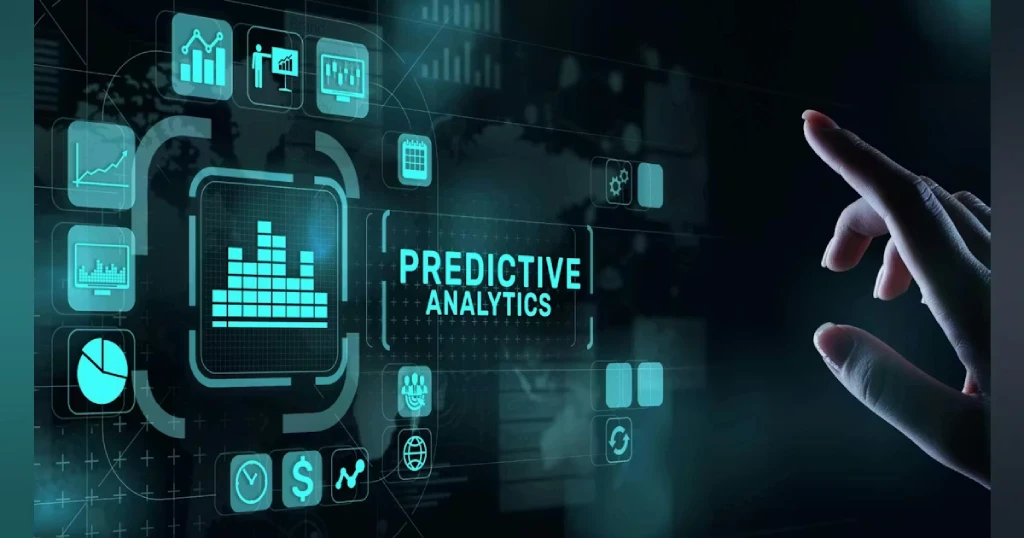
A major advantage of AI in cybersecurity is predictive analytics. Advanced models can forecast potential breaches before they happen, enabling organizations to block threats proactively.
AI also delivers automated response capabilities. When an attack is detected, the system can instantly:
All of this happens at high speed, minimizing damage and reducing reliance on manual intervention.
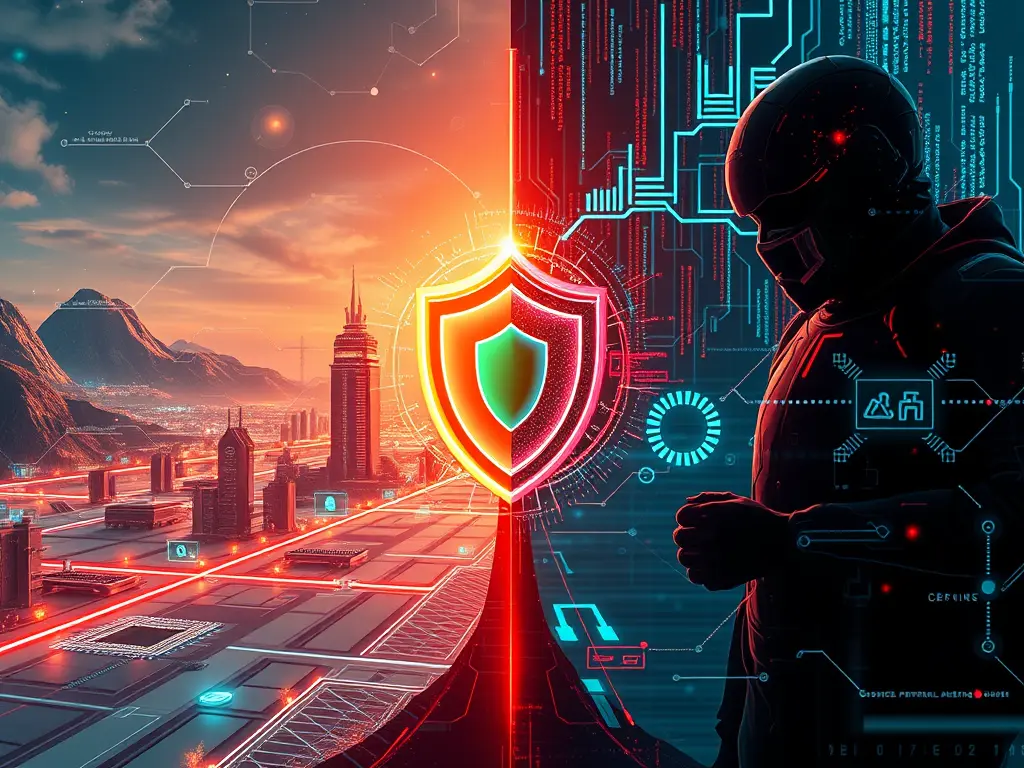
While businesses use AI to strengthen defenses, cybercriminals are weaponizing the same technology.
Hackers now leverage generative AI to create highly convincing:
Reports from early 2026 show a sharp rise in AI-assisted cyberattacks. These threats are faster, stealthier, and harder to detect, making AI-powered cybersecurity not just helpful, but essential.
The fusion of AI and cybersecurity is advancing rapidly. Key trends include:
Quantum-resistant encryption enhanced by AI
Self-healing networks that automatically recover from attacks
Biometric authentication with intelligent threat detection
AI platforms that leverage global threat intelligence for collective defense
To successfully adopt AI-powered security, organizations should:
Conduct a comprehensive risk assessment: Identify vulnerabilities and prioritize critical assets.
Choose scalable, integrable solutions: Select AI tools that work seamlessly with your existing infrastructure and cloud environment.
Prioritize explainable AI: Opt for platforms where your team can clearly understand alerts and decisions.
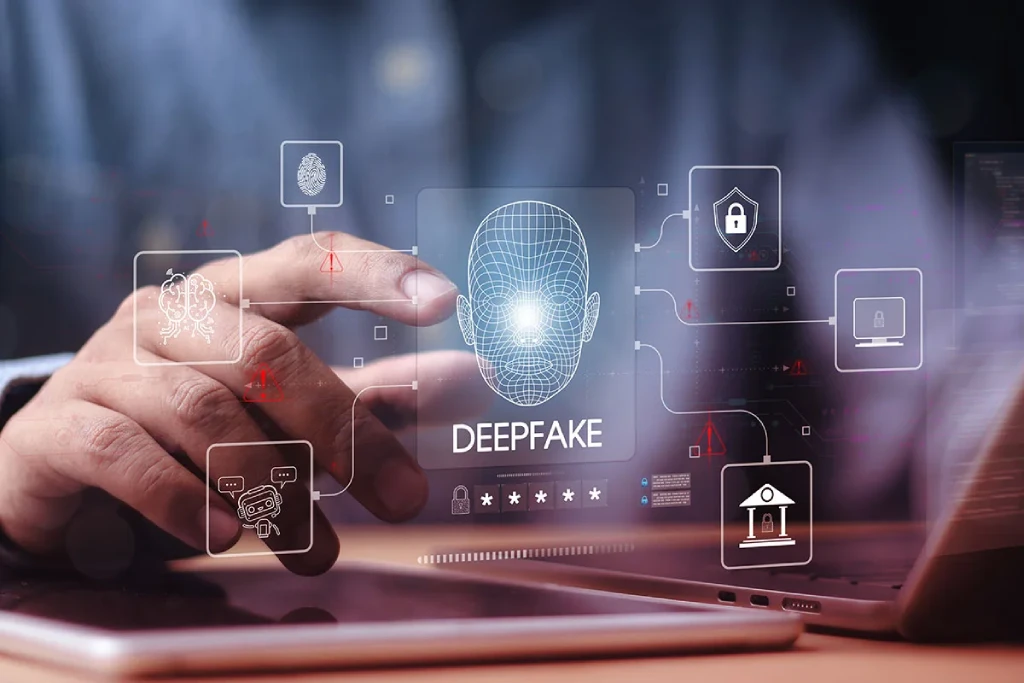
Invest in regular employee training: Educate teams on recognizing AI-generated threats like deepfakes and advanced phishing.

AI is transforming sensitive data protection, cloud environments, and critical operations. What was once a competitive advantage is now a fundamental requirement.
At OvexCloud, we help organizations design robust, AI-enhanced cybersecurity strategies that integrate seamlessly with modern cloud infrastructure.
Ready to build stronger defenses? Explore our guides on cloud security and cybersecurity best practices today.